

The Democratic Republic of São Tomé and Príncipe is an island nation in the Gulf of Guinea. The islands of the state cover an area of 1,001 square kilometres, making São Tomé the second-smallest country in Africa after the Seychelles.
The islands are home to a total of 170,000 inhabitants, of whom around 60,000 live in São Tomé, the country’s capital. The official language of the island nation is Portuguese. However, the colloquial language of the population is the Portuguese-Creole language. Around 90 percent of the population of this African island nation are Christians, of whom approximately 80 percent are Catholics. The religious minorities consist of animists and followers of the New Apostolic Church.
Highlights of São Tomé & Príncipe
The capital, São Tomé, is one of the country’s main attractions. This small and tranquil city is located on the eponymous island. Characteristic of the city are its many old colonial buildings. In addition, visitors can explore the National Museum in São Tomé, which provides an insight into the country’s history.
Other attractions include the many white-sand beaches along the Atlantic Ocean, perfect for swimming and snorkelling. Notable beaches in the island nation include Praia Capitainja, Praia dos Tamarindos and Praia Mikoló. In addition to beach holidays, the African island nation also offers hiking holidays, particularly in the western region of São Tomé Island. Another popular hiking destination on the island is the Pico de São Tomé, which rises to over 2,000 metres above sea level.
Location and Climate
São Tomé and Príncipe is an island nation in the Gulf of Guinea, located west of the African coast. The country consists of the two eponymous islands of São Tomé on one side and Príncipe on the other, both of which were formed from extinct volcanoes. The larger of the two islands is São Tomé, where around 90 percent of the population lives.
The two islands have a humid tropical climate. Temperatures are warm year-round, reaching up to 31°C. Humidity is also high throughout the year, at up to 81 percent. There are two dry seasons on the islands. The first runs from around June to September, and the second from December to February. Holidays on the islands are possible year-round, as even during the rainy season, rainfall is only brief.
Getting There and Entry Requirements
The country’s only international airport is located on São Tomé Island, about four kilometres from the capital. There are no direct flights from Germany to São Tomé. However, there are direct connections from Lisbon Airport. After landing, transfers to hotels can be made by taxi, bus or minibus. It is also possible to reach São Tomé’s port by cruise ship.
German tourists are required to present a valid passport and a valid visa upon entry. The visa must be applied for in advance at the competent embassy in Brussels. It is not possible to obtain a tourist visa upon arrival at São Tomé Airport. In addition, all travellers must provide proof of a valid yellow fever vaccination.
Other countries in Central Africa
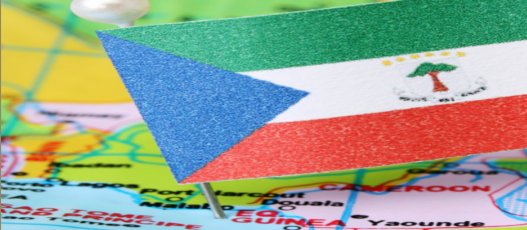
Equatorial Guinea
Mainland and islands in the Gulf of Guinea, covering 28,051 square kilometers.

Democratic Republic of the Congo
Second-largest country in Africa, Congo Basin and the river that divides the continent.
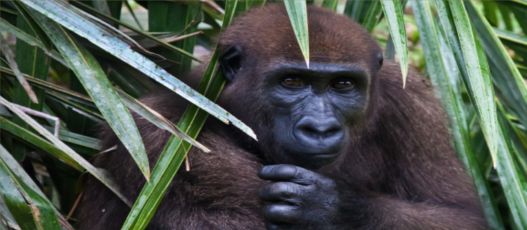
Gabon
Rainforest, coast and national parks in a comparatively sparsely populated country.


