
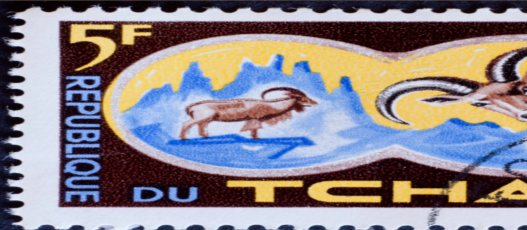
Chad has a population of about 10.8 million, of which around 1.5 million live in the capital, N’Djamena.
Chad has a population of about 10.8 million, of which around 1.5 million live in the capital, N’Djamena. The majority of Chad’s population, around 60%, belongs to the Sudanese ethnic group. Other groups include the Chado-Hamitic, Arab and Saharan peoples, while about ten percent of the population consists of smaller minority groups. More than half of the population adheres to Sunni Islam, while Christians and animists are also present. The official languages of Chad are French and Arabic. Due to the country’s diverse cultural backgrounds, common vernaculars include Chadian Sara, Barma and Doza.
Sights in Chad
Chad is considered one of Central Africa’s least developed countries in terms of tourism infrastructure. Ongoing conflicts and wars also make travel across the country difficult. Yet Chad has much to offer visitors. One highlight is the Tibesti, the highest mountain range and a rugged volcanic landscape in the Sahara. Wind erosion has shaped the sandstone layers into towering rock gates and arches.
Other natural attractions include the Ennedi Massif, famed for its impressive rock paintings and bizarre rock formations. The Zakouma National Park is one of Central Africa’s best safari destinations, home to lions, elephants, giraffes, monkeys and wildebeest.
Chad’s Location and Climate
Chad is bordered to the west by Cameroon, Nigeria and Niger, to the north by Libya, to the east by Sudan and to the south by the Central African Republic. Roughly half of Chad lies within the Sahara Desert, while the south transitions into the Sahel zone—a region of dry savannah and thorny scrubland—and further south into dry forests. Several rivers flow through the country, including the Logone, Bahr Salamat and Chari. The fertile agricultural regions are concentrated around Lake Chad, a body of water spanning 10,000 to 25,000 square kilometres.
The majority of Chad experiences a hot, arid desert climate. Only in the south does the climate shift to a variable tropical one, with average temperatures of 20 to 25 °C. Before the rainy seasons between May and October, temperatures in this region can soar to 40 °C.
Entry and Travel
Chad’s only international airport is in the capital, N’Djamena, which is served several times a week from Paris. Domestic flights are available, but Chad’s road network is poorly developed, and buses operate only in larger towns. Due to the country’s unstable security situation, tourists are advised against travelling alone by car.
Entry to Chad requires a valid passport and a visa for all visitors, including children. Children must have their own child or adult passport and visa; being listed in a parent’s passport is not sufficient. Travellers should ensure their passport is stamped on entry, as entry without a stamp is considered illegal.
Other countries in Central Africa
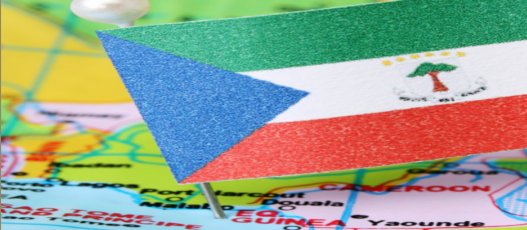
Equatorial Guinea
Mainland and islands in the Gulf of Guinea, covering 28,051 square kilometers.

Democratic Republic of the Congo
Second-largest country in Africa, Congo Basin and the river that divides the continent.

Gabon
Rainforest, coast and national parks in a comparatively sparsely populated country.


